
Community Pet Resources
Helping Pets Stay Home
At LAWS, we believe that many pet-related challenges can be resolved with the right support and resources. Whether you're facing financial hardship, housing concerns, behavioral issues, or simply need guidance, we're here to help connect you with available options. Our goal is to strengthen the bond between people and their pets by providing resources that help families stay together whenever possible.
Browse the resources below to find assistance, information, and support for a variety of pet care needs.

Food & Basic Supplies
If you are temporarily struggling to provide food or supplies for your pet, there are local and regional programs that may be able to help.
The Laramie Animal Shelter serves as an important community resource for lost pets, stray animals, and pet owners facing difficult situations. In addition to animal care and adoption services, the shelter may also occasionally offer pet food or basic pet supplies to community members in need, depending on available donations and resources.
If you have found a stray animal, are missing a pet, or are experiencing an urgent situation involving your pet, the Laramie Animal Shelter may be able to assist or help connect you with additional local resources.
Plentiful is a free tool that helps individuals and families locate nearby food pantries and community food assistance programs. Some local pantries may also occasionally offer pet food or basic pet supplies alongside household groceries, depending on donations and availability. The platform allows users to search for pantry locations, hours, and services in their area through its website or mobile app.
Wyoming 211 - is a searchable statewide resource database that connects individuals and families with community support services throughout Wyoming. Pet-related searches may include pet food assistance, low-cost veterinary resources, housing support, transportation assistance, and other programs that can help families keep their pets during times of hardship. Wyoming 211 also offers free assistance by phone, text, and online search.
Veterinary Care & Financial Assistance
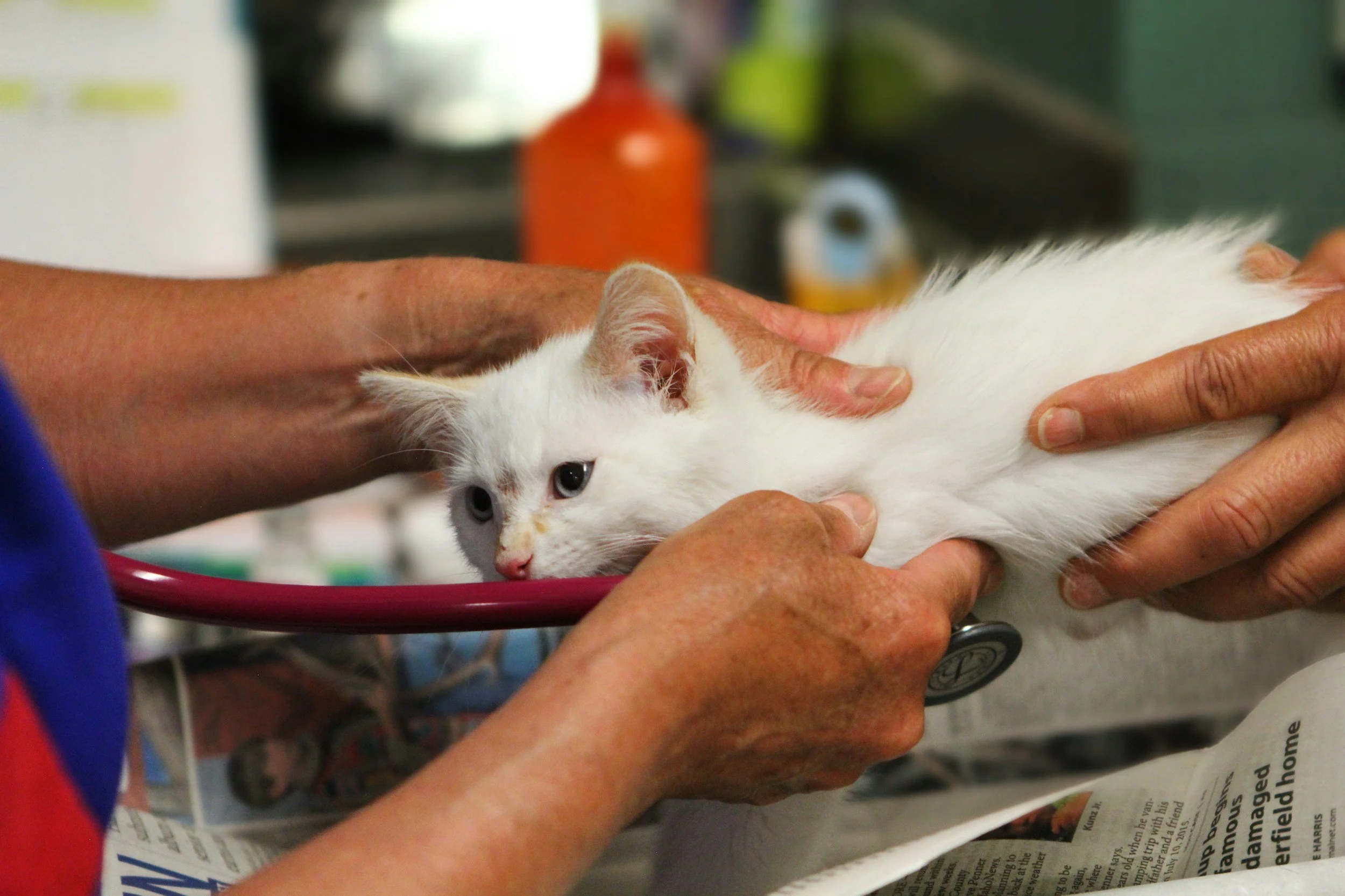
We understand that unexpected veterinary expenses can be overwhelming. When a pet becomes ill or injured, financial stress should never be the only barrier to getting them the care they need. While the Laramie Animal Welfare Society is not currently able to provide direct financial assistance, we are committed to helping connect pet families with trusted resources and options that may help reduce or manage costs.
Spay & Neuter Assistance Updates - LAWS previously offered a spay and neuter discount coupon program to help reduce the cost of sterilization services for pet families in our community. While this program is no longer active and we are no longer able to distribute discount vouchers, we continue to strongly support and encourage spay/neuter as an important part of responsible pet ownership and community animal welfare. We are often contacted about this program and appreciate the community’s understanding as we direct pet owners toward other available low-cost veterinary options.
LAWS does provide Trap-Neuter-Return (TNR) services for feral/community cats as part of our ongoing efforts to reduce overpopulation and improve community cat welfare.
Payment Plans & Veterinary Financing- Many veterinary clinics offer payment flexibility or partner programs that can help spread out the cost of care.
CareCredit – A healthcare credit card that can be used for veterinary expenses and allows for monthly payment plans.
Scratchpay – Offers simple, transparent payment plans without traditional credit card use.
We encourage pet owners to ask their veterinarian directly about in-house payment plans, sliding scale options, or delayed billing arrangements, as many clinics are willing to work with families on a case-by-case basis.
Pet Medical Fundraising Options - Crowdfunding can be an effective way to raise support from friends, family, and the community:
Waggle Crowdfunding for Pets - Pet specific fundraising platform
GoFundMe - general fundraising platform
Many veterinary clinics will also accept donations directly toward a pet’s care. If your veterinarian is willing, sharing their office information can allow supporters to contribute directly to treatment costs.
If it’s an animal adopted through LAWS, we may also be able to help amplify active fundraising campaigns by sharing them within our community network and social media channels upon request.
For low-cost spay/neuter and vaccination services, the following regional resources may be helpful:
Cheyenne Animal Shelter – Spay/Neuter & Vaccination Clinics
Black Dog Animal Rescue - Low cost microchip and vaccination clinics
Animal Friends Alliance – Low cost spay/neuter & Vaccinations
National & Regional Assistance Programs - There are organizations that may provide grants or emergency assistance for qualifying cases:
Inside Voice - Wyoming-based assistance for pets in need
RedRover Relief - Emergency veterinary assistance for eligible cases
Brown Dog Foundation - assists with urgent, treatable conditions
The Pet Fund - non-emergency veterinary care assistance

Behavior & Training Support
Behavior and training challenges can look different for every pet—whether it’s a dog struggling with leash manners or a cat experiencing litter box issues, anxiety, or adjustment stress in a new home. Professional guidance can be very helpful in building confidence, improving communication, and strengthening the bond between pets and their families.
Local Dog Training Resources
Rockin’E Dog Training & Consulting
Rockin’E offers positive-reinforcement-based training services including obedience classes, agility, private lessons, and behavior consultations. Programs may also include Canine Good Citizen (CGC) preparation, therapy dog training, and service dog development. Their approach supports dogs of all ages and behavioral backgrounds through structured, humane training methods.
Elevation Pet Resort – Dog Training Services
Elevation Pet Resort provides customized training programs designed to meet individual needs, including basic obedience, manners training, and behavior support. Services may include group classes as well as more intensive options such as board-and-train or day training programs focused on skill-building and behavior improvement.
Michelle North
Michelle North’s approach combines real-world obedience training with lessons learned through competing in high-level dog sports. These sports require clear communication, consistency, and a deep understanding of how dogs learn and how to teach behaviors efficiently.
She applies these same principles to pet dog training, breaking behaviors down into simple, understandable steps that make learning clear for each dog. When dogs understand exactly what is expected of them, training is often faster, more reliable, and less stressful than methods that rely primarily on repetition. This structured and thoughtful approach is one reason many clients seek Michelle’s help after previous training attempts have not achieved the results they were hoping for.
Whether the goal is having a dog that walks calmly on leash, comes reliably when called, maintains a solid stay, or simply has better manners around the home, Michelle helps owners build the skills needed to create a stronger relationship and a dog they truly enjoy living with.
Contact Information
Michelle North
Trainer • Agility • Nosework • Mondioring • Tracking
Text: 307-343-0814
Email: cheysearch@yahoo.com

Community & Housing Support
Housing challenges are one of the most common reasons families feel forced to consider surrendering a pet. In many cases, there are resources and supports available that can help families stay together through a housing transition, financial hardship, or temporary crisis.
Housing Assistance & Community Resources
If you are experiencing housing instability or searching for pet-friendly options, these organizations can help connect you with local support:
Wyoming 211 – A statewide resource that connects individuals to housing assistance programs, rental support, emergency shelter options, and other community services in the Laramie area and beyond.
Cheyenne Housing Authority – In Albany County, housing assistance programs for Laramie residents are administered through the Cheyenne Housing Authority. Their programs may include public housing, Housing Choice Vouchers (Section 8), rental assistance resources, and other eligibility-based housing support services.
These resources can help individuals and families access stable housing, understand available assistance programs, and connect with local housing support options.
Keeping Pets in Homes During Housing Changes
Many housing-related barriers can be worked through with early support. Options may include:
Guidance on finding pet-friendly or pet-flexible housing options
Support navigating pet deposits, fees, or landlord communication
Temporary planning assistance during moves, job changes, or unexpected displacement
Connections to short-term support networks that help families avoid surrender during transitions
When Housing Becomes Unstable
If you are facing eviction, displacement, or sudden housing loss, reaching out early increases available options. In some cases, temporary arrangements or community support can help keep pets safely with their families until stable housing is secured.
For immediate help identifying current housing and crisis resources in your area, Wyoming 211 is often the fastest starting point.

Additional Support Options
Some life situations require temporary help with pet care, even when a family is not able to surrender their animal. In smaller communities like Laramie, formal crisis boarding programs are limited, but there are still a few options and community pathways that may help.
Seniors & Mobility Challenges
Older adults or individuals with limited mobility may sometimes need short-term help caring for pets during recovery periods or appointments. Support may include:
Asking trusted family, friends, or neighbors for temporary assistance
Local volunteer networks or community groups that may occasionally offer informal help
Planning ahead with a designated “pet emergency contact” who can step in if needed
Illness, Hospitalization, or Short-Term Incapacity
If you are unexpectedly hospitalized or unable to care for your pet temporarily, options in the Laramie area are typically informal and may include:
Family, friends, or neighbors providing temporary care
Veterinary clinics that may help connect owners with boarding options when available
Local rescues or shelters on a case-by-case basis if space and foster homes are available
Emergency Planning for Pet Care
Because formal crisis boarding programs are limited in the area, having a basic plan in place is one of the most effective ways to protect pets during emergencies:
Identify at least one trusted emergency caregiver in advance
Keep pet care instructions (feeding, medications, vet info) written and accessible
Make sure pets have collars/microchips and updated ID information
Keep a small emergency supply kit (food, leash, litter, medications) ready if someone else needs to step in quickly
If you are Considering Surrender
LAWS operates with a limited-capacity rescue facility and a network of local foster homes. Because our space and foster availability are limited, we are unfortunately unable to accept every surrender request we receive.
To help us determine if we can assist, please complete our surrender questionnaire at your earliest convenience. This form allows us to gather important information about your dog and begin looking for an appropriate foster home. Please note that submitting the questionnaire does not guarantee placement. If we can help, the process of locating a foster home takes time and depends on our current resources.
If you complete the questionnaire, please also email us a few recent photos and videos of your dog, as these are helpful when reaching out to potential fosters.